STATION VII
Betty Matthiessen Wildlife Sanctuary
Along the trail, fallen leaves, logs, and branches provide a good example of how nature recycles. Trees on islands are subject to stress, perhaps more so than their mainland counterparts. High winds and salt spray can weaken trees, making them susceptible to pathogens. Sometimes, this results in mortality, and the tree eventually falls to the ground. Oaks and other forest trees may persist for decades, storing carbon while taking as long to die as they do to grow. During particularly severe storms and hurricanes, healthy trees may be toppled by strong winds.
Through the natural process of decay, fallen leaves and branches release and recycle essential nutrients. Living forest trees need their fallen leaves, which is why it is best not to rake and haul them away from your yard. Leaves and woody debris on the forest floor form the basis of the food chain. Many invertebrates eat the dried leaves, while moths, butterflies, and other insects overwinter as adults, eggs, or pupae on the ground in decaying leaves.
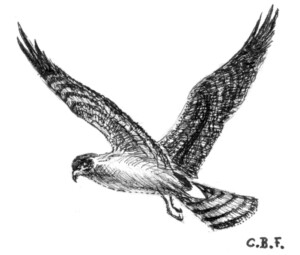
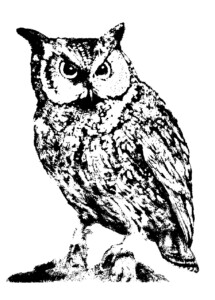
Dead wood plays a significant role in the life of the forest. In addition to providing room and board for animals, it serves as a substrate for many non-flowering plants. Through decay, essential nutrients are returned to the soil to be used again. Different fungi, like turkey tails, help break down the wood, allowing other organisms to use it. Ants, termites, beetles, and many insects also break down wood. Woodpeckers work on dead trees in search of insects and their larvae, and standing snags provide important nest sites and perches for owls, hawks, and others.
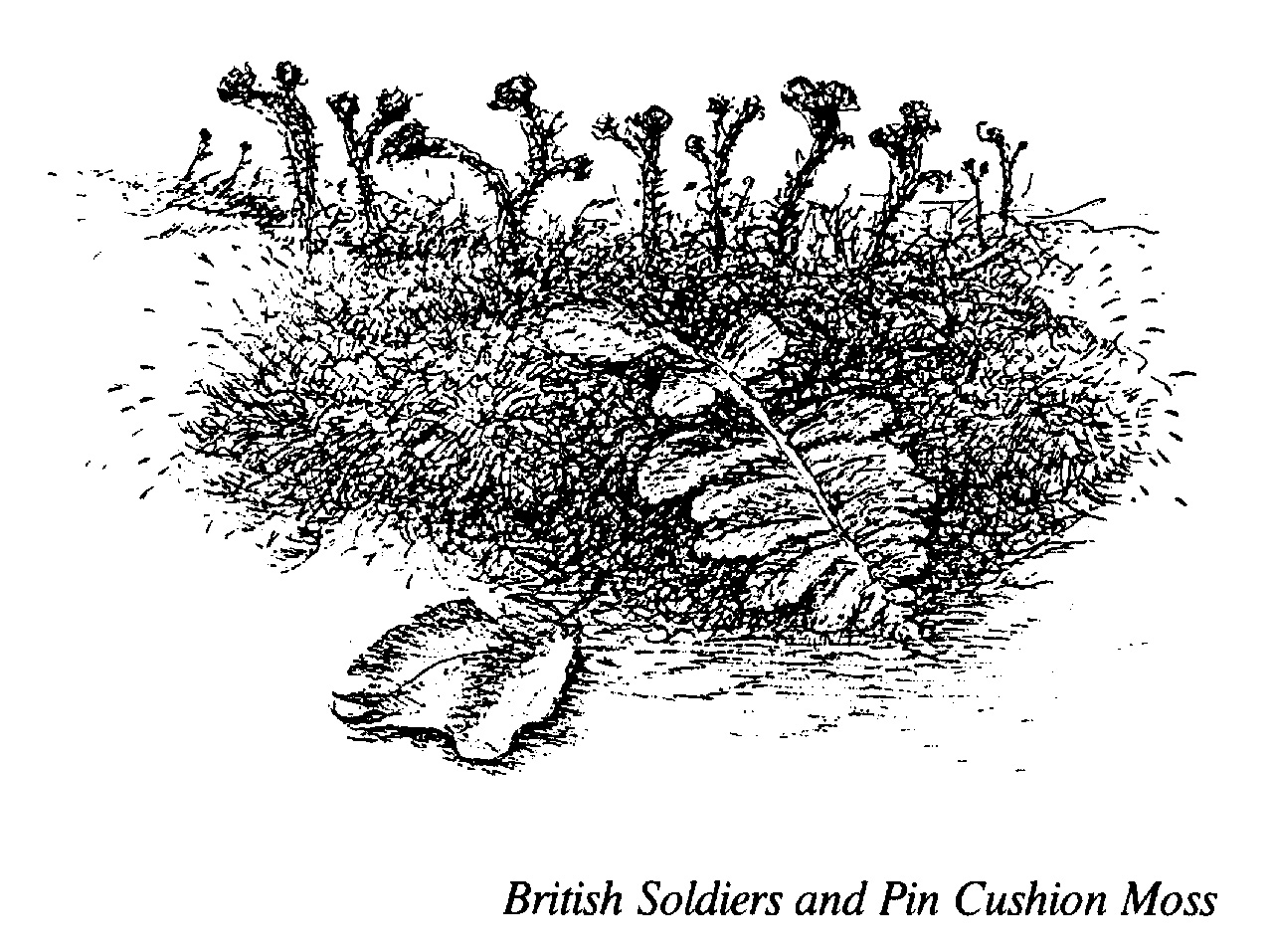
Notice patches of moss at various locations along the trail. Tree bark and rocks support mini ecosystems of mosses and lichens. Moss is a primitive plant that, like ferns, reproduces by spores, not seeds. It thrives during rainy periods in March and April when the warming sun reaches the forest floor. Some mosses form spongy mats several inches thick, upholstering logs and rocks. Varied textures and shades of green contrast with the drab colors of mid-winter.
In sunny patches, bluish-green lichens festoon the branches of oak, shad, cherry, and other forest trees. They are not harmful. Lichens are a working partnership, a symbiotic relationship between a fungus and green algae. Lichens support nitrogen-fixing bacteria, which add to the nutrient pool and benefit the trees they inhabit. In coastal forests with dry soil, lichens absorb moisture and collect minerals from air, fog, and rainwater.
Lichens are sensitive to atmospheric pollution, and their presence and abundance indicate a healthy ecosystem and good local air quality. Many animals eat lichens, and orioles, hummingbirds, and other birds use bits of lichen as nesting material.
Eastern red cedar, or juniper, is an important long-lived evergreen tree (often the only evergreen) in coastal fields and forests. More than 30 bird species utilize cedars for food, resting, and nesting. Owls and songbirds often roost or sleep in red cedars. The female trees produce waxy blue “berries” (actually cones) eaten by Cedar Waxwing, Eastern Kingbird, Northern Flicker, Eastern Bluebird, and many others. Junipers and the surrounding shrubby thickets of roundleaf greenbrier provide important habitat for small mammals and birds that nest on or near the ground.