STATION VI
Betty Matthiessen Wildlife Sanctuary
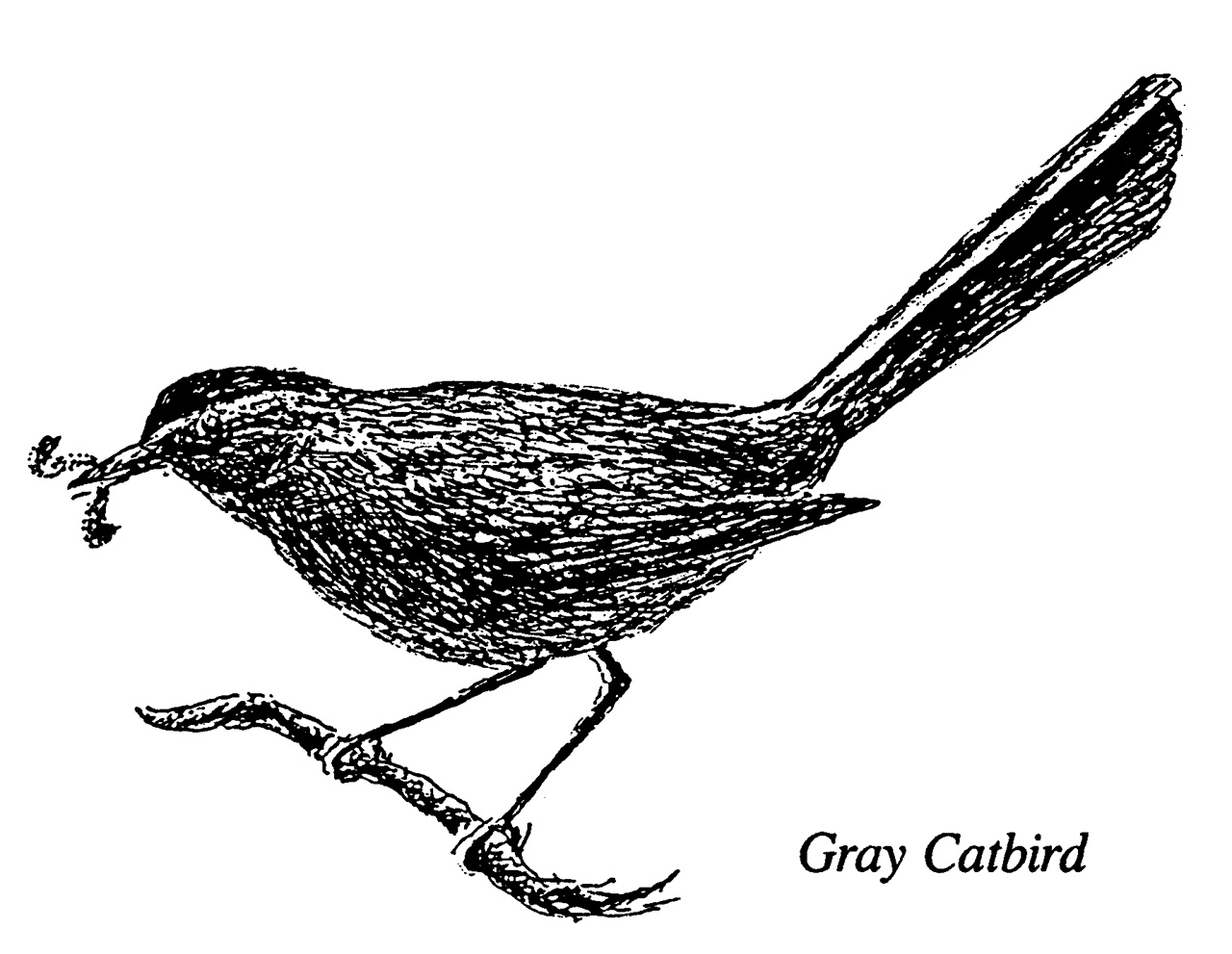
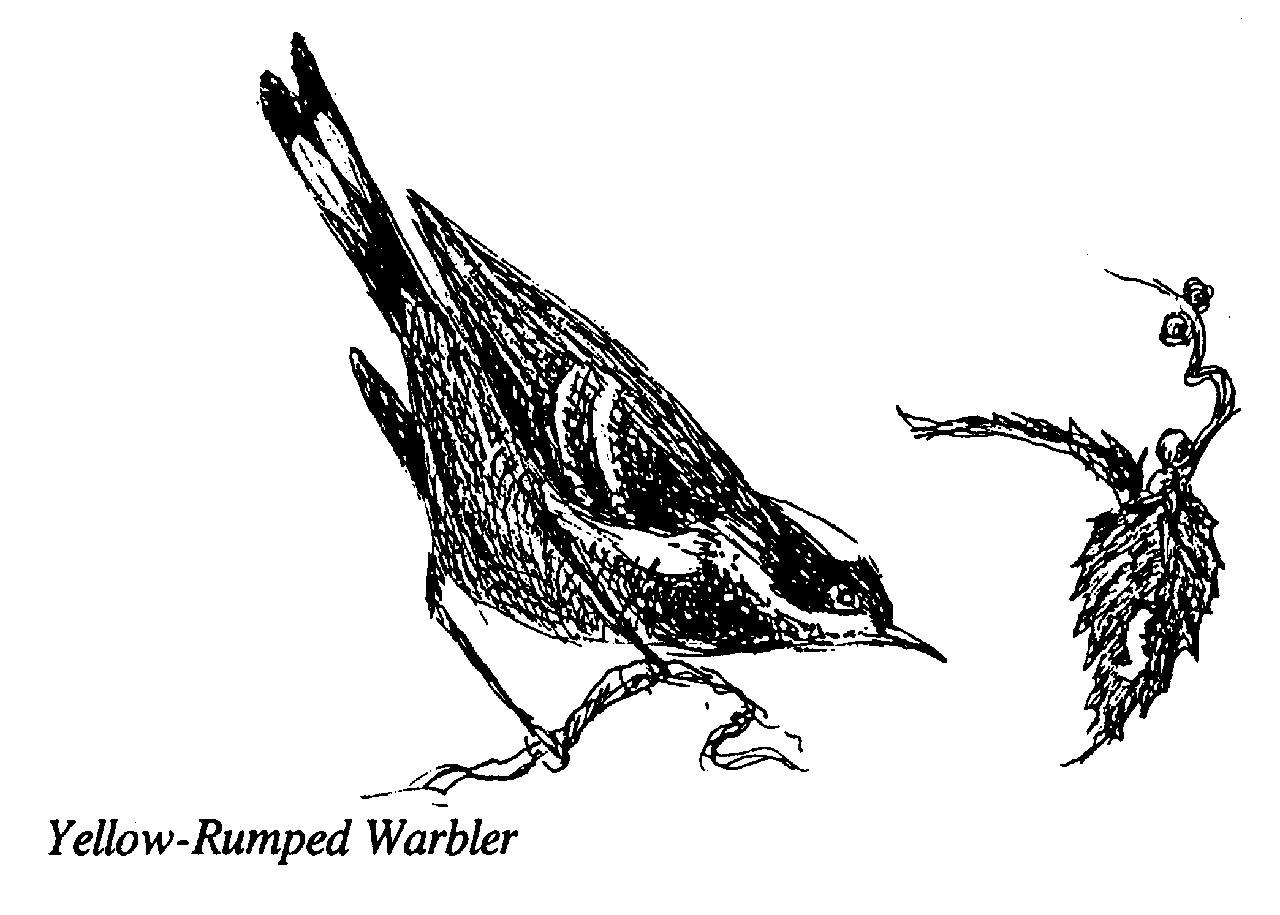
As the trail turns inland, away from the pond and up the hill, you may see and hear migrant and resident songbirds that nest in the sanctuary during the breeding season between late April and July, including Gray Catbird, Eastern Towhee, and Black-capped Chickadee. Species of warblers that breed here include the Yellow Warbler, Common Yellowthroat, and American Redstart. These insectivorous birds overwinter in Central and South America. In winter, listen for the high-pitched trills of Golden-crowned and Ruby-crowned Kinglets, small songbirds that migrate southward from breeding grounds in the northern coniferous forest. During winter, they seek tiny eggs and freeze-dried caterpillar carcasses in the tree canopy, limbs, and trunks. White-throated Sparrow, Dark-eyed Junco, Purple Finch, and other northern seed-eating species also overwinter here.
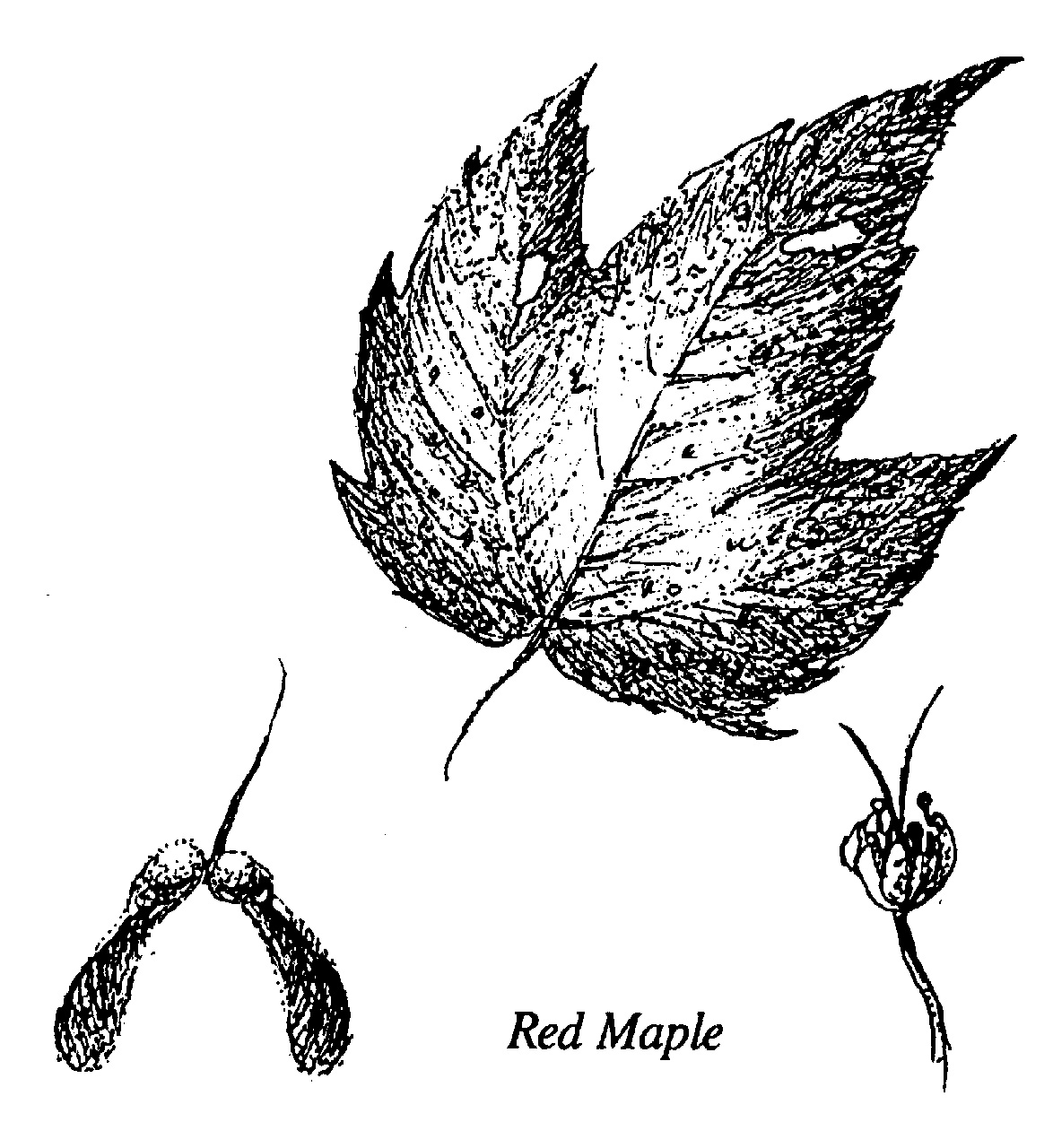
At the top of the incline, the large branching tree on the right side of the trail is another magnificent red maple, a favorite nesting tree for American Redstart and Ruby-throated Hummingbird. This species grows in a range of habitats and can tolerate wet soil conditions and proximity to salt water. It is dominant in this part of the sanctuary, particularly along the water’s edge.
Red maple has the most extensive north/south distribution of any tree species along the east coast and is easily recognized by reddish coloring during all seasons. In early spring, the newly emerging growth gives the tree, or an entire landscape, a pink-red glow. Red buds gradually open to delicate red flowers, which form clusters of bright red-winged fruits known as samaras. Like all maples, the leaves and branches grow opposite each other, but red buds and twigs distinguish it from other maples. The early colonists extracted a dye from the bark.
At this location, the soil is poorly drained and water pools after rainfall. This may explain the presence of winterberry, also called black alder, a native deciduous holly that prefers wet soil. It is most distinctive during late fall and winter after the leaves have fallen and its bright red berries are evident along bare stems on female plants. These fruits are an important late winter food for the American Robin, Cedar Waxwing, Northern Mockingbird, Purple Finch, and Hermit Thrush, and about 40 more species of fruit-eating birds.
In springtime, winterberries have small, inconspicuous white flowers. The elliptical leaves are finely toothed and grow alternately along the branches. Although winterberry typically grows in swamps, damp thickets, and pond margins, it is fairly common in upland areas of the Sanctuary at locations where drainage is poor.
The trail drops back along the pond, leading through a tunnel of highbush blueberry, maleberry, pinxterbloom azalea, and sweet pepperbush. In more open sections of the woodland, Canada mayflower, one of our most common native perennial wildflowers, forms a continuous ground cover. You may notice its subtle fragrance on warm spring days.