STATION IV
Betty Matthiessen Wildlife Sanctuary
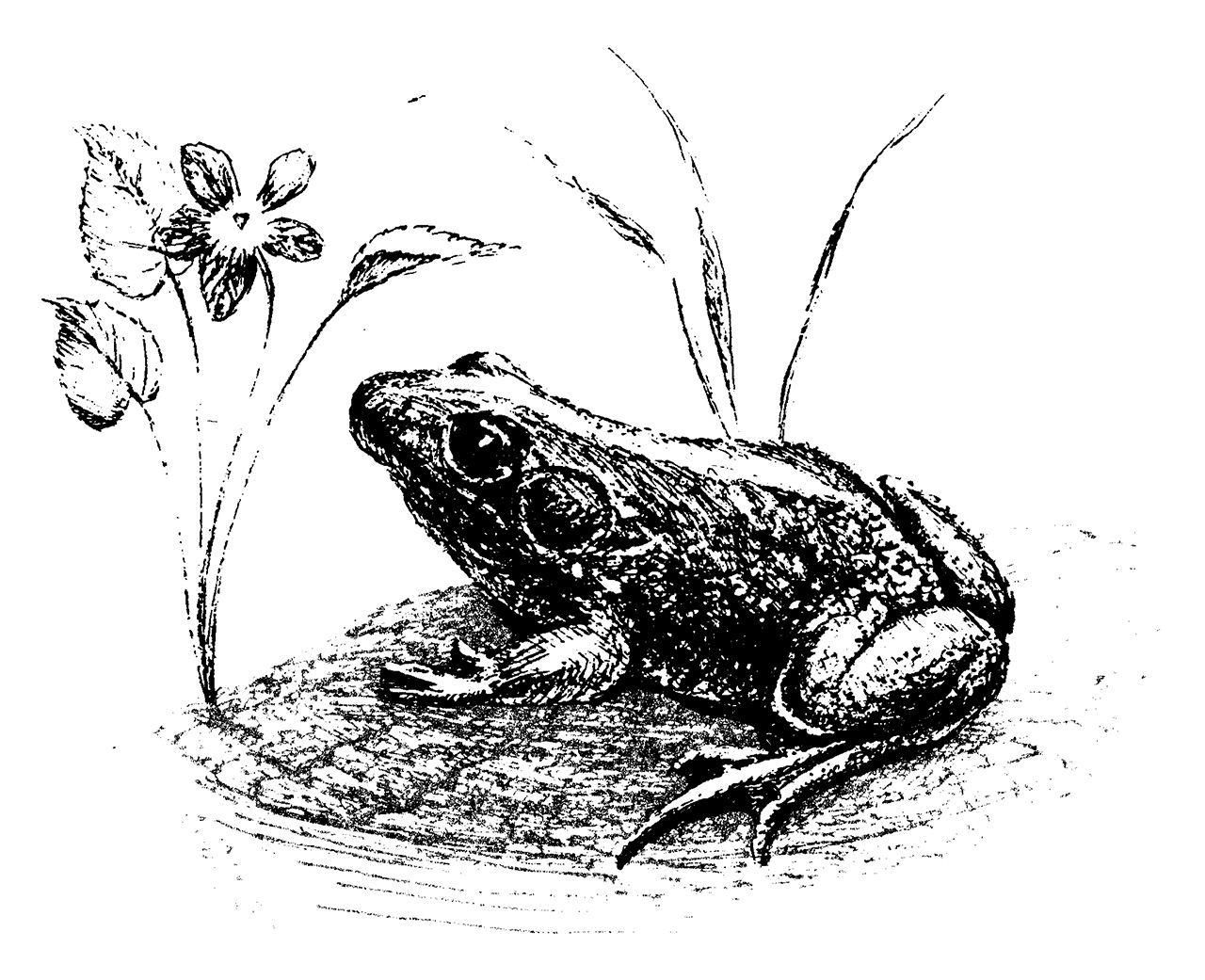
This little pond (0.4 acres) contains fresh water rather than the brackish water that surrounds the sanctuary peninsula and therefore attracts a distinctly different biota. Green frogs, pickerel frogs, spring peepers, snapping turtles, and painted turtles, common residents of inland ponds, are found here, finding a variety of freshwater vegetation and insects upon which to feed.
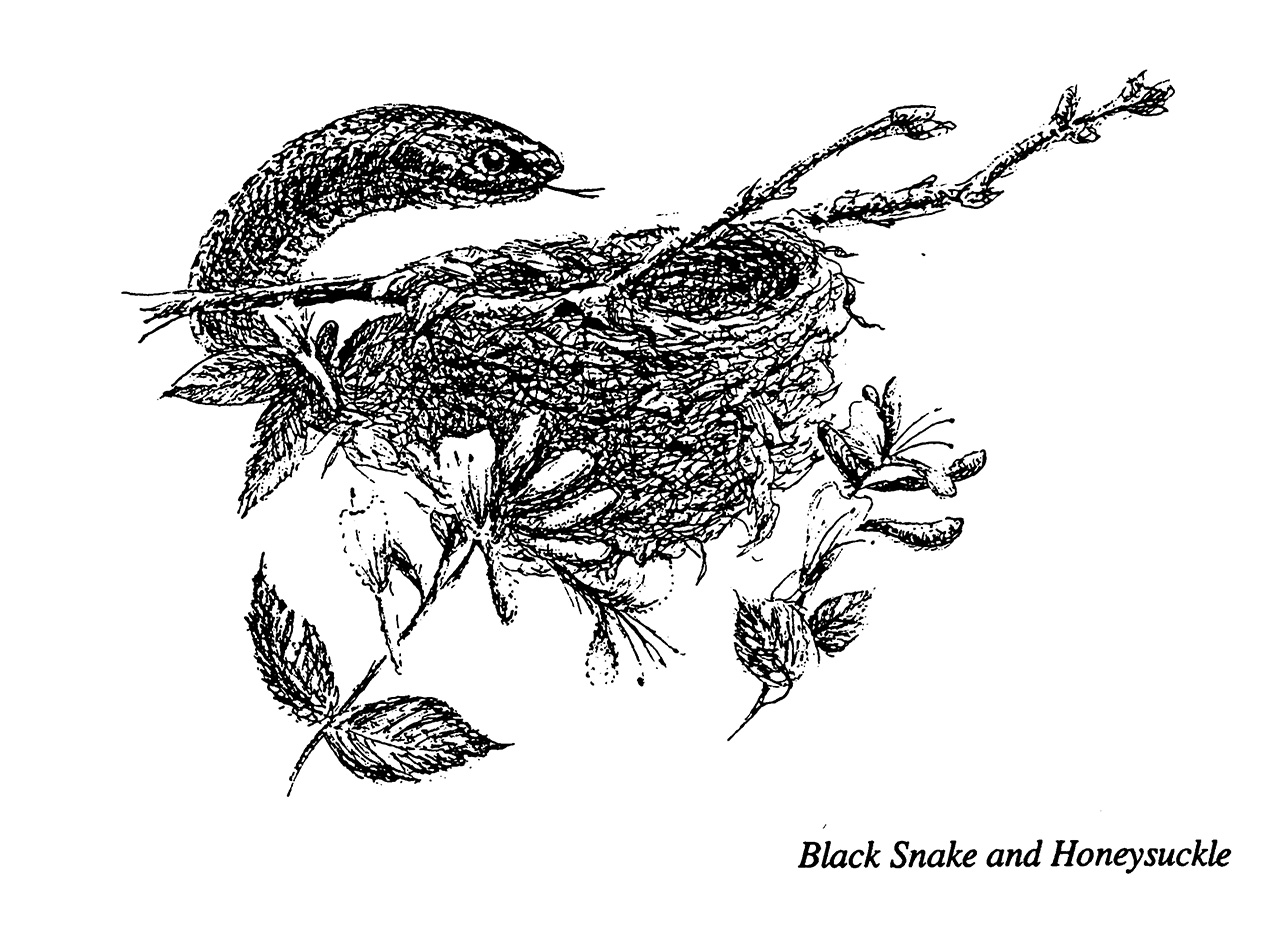
Two harmless snakes, the eastern garter snake and the northern black racer (commonly, blacksnake), are frequently seen in this area. Although the garter snake feeds primarily upon insects, both species eat amphibians and small rodents. Black racers–New York State’s largest snake, growing up to 6 feet long–are good climbers that also eat the eggs and young of birds.
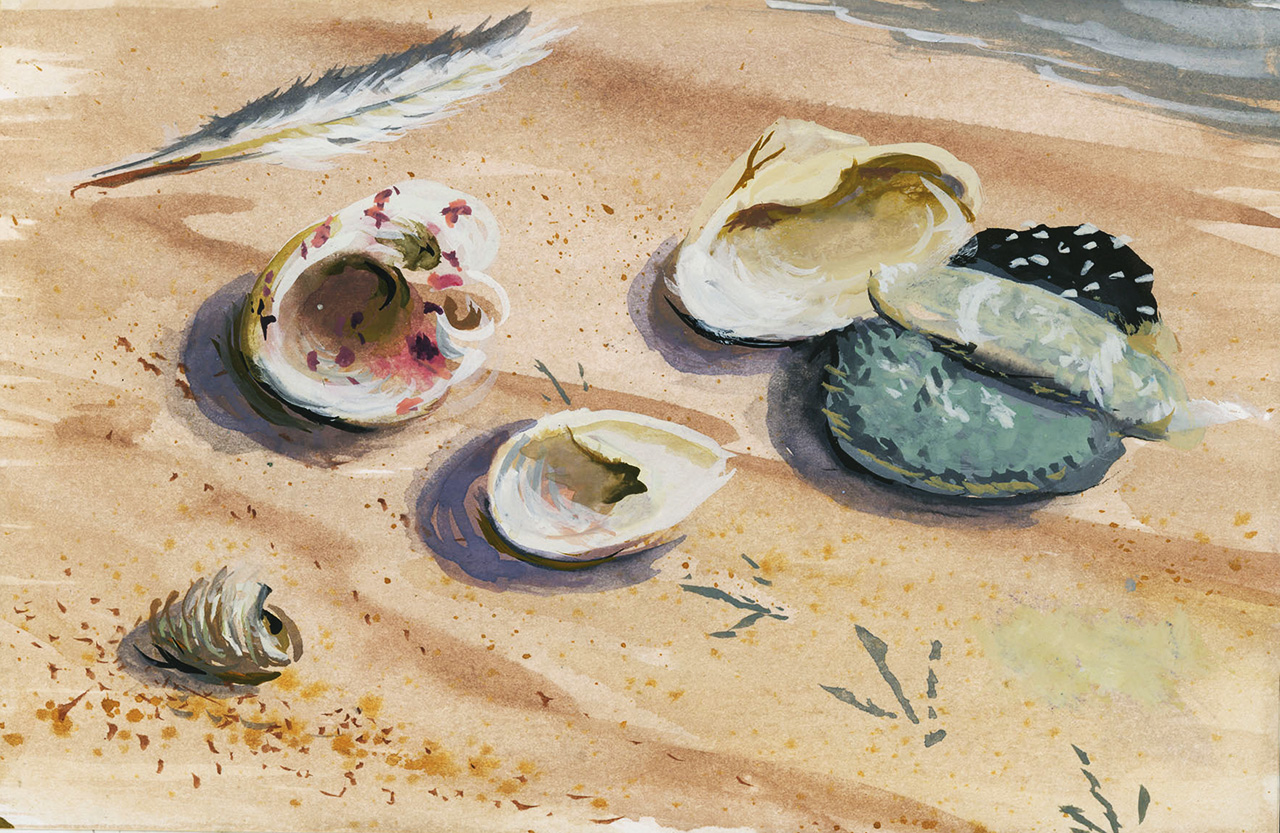
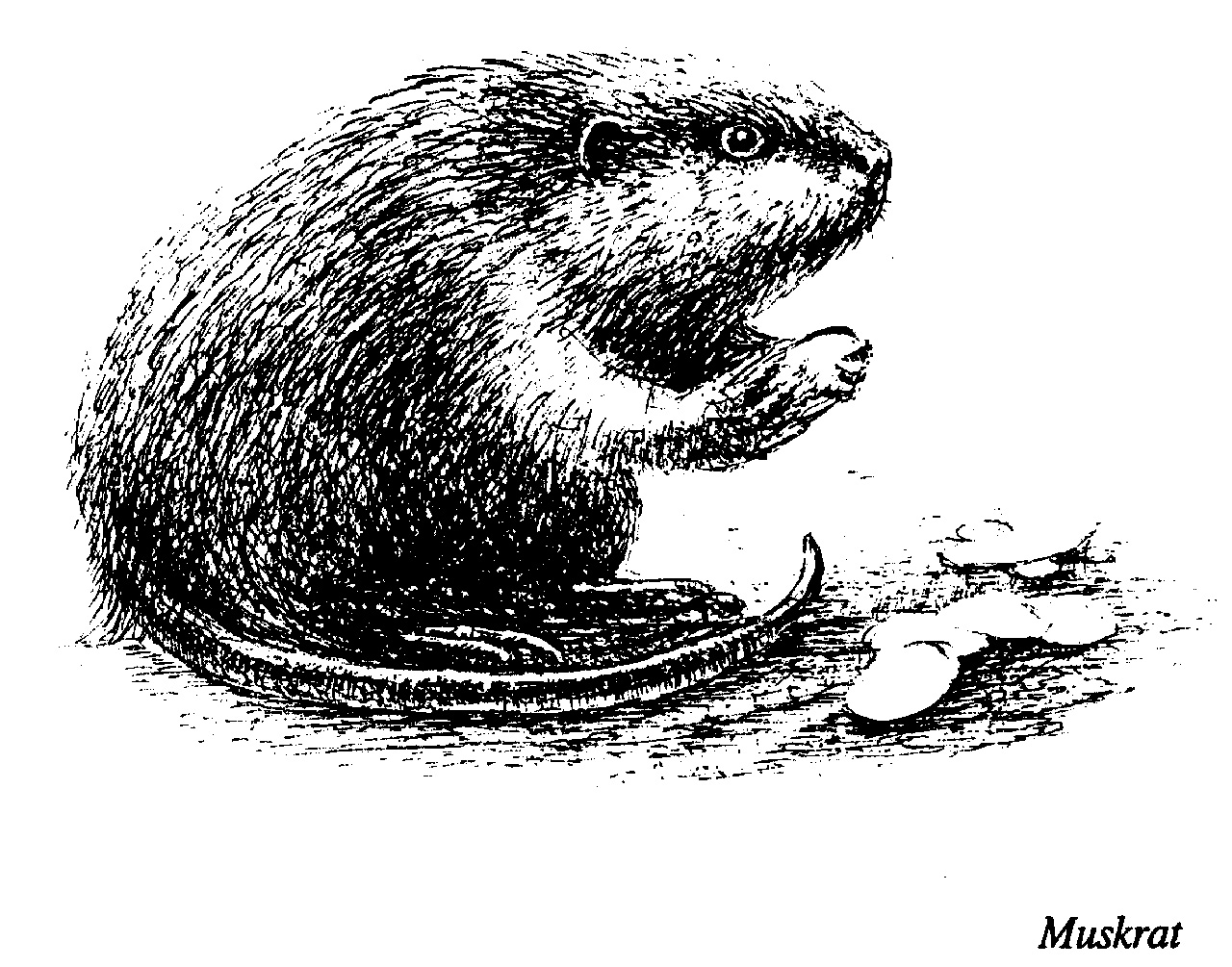
Muskrats are semi-aquatic rodents that sometimes make residence here. They construct mounds of reeds and grass or excavate burrows in the bank. The entrance is usually below the surface of the water. Muskrats feed primarily on aquatic vegetation, but also eat shellfish, leaving behind piles of empty shells as evidence of their habitation. River otters, more recently observed on the Island, are semi-aquatic carnivores that eat a variety of aquatic animals, including fish, crabs, frogs, and smaller mammals, like muskrats.
The pond is a favorite gathering place for Tree Swallows and migrant songbirds in spring and summer, attracted by insects hatching at the pond’s surface. Bird species nesting near the pond include Yellow Warbler, Common Yellowthroat, Warbling Vireo, Gray Catbird, Fish Crow, Green Heron, and Mallard.
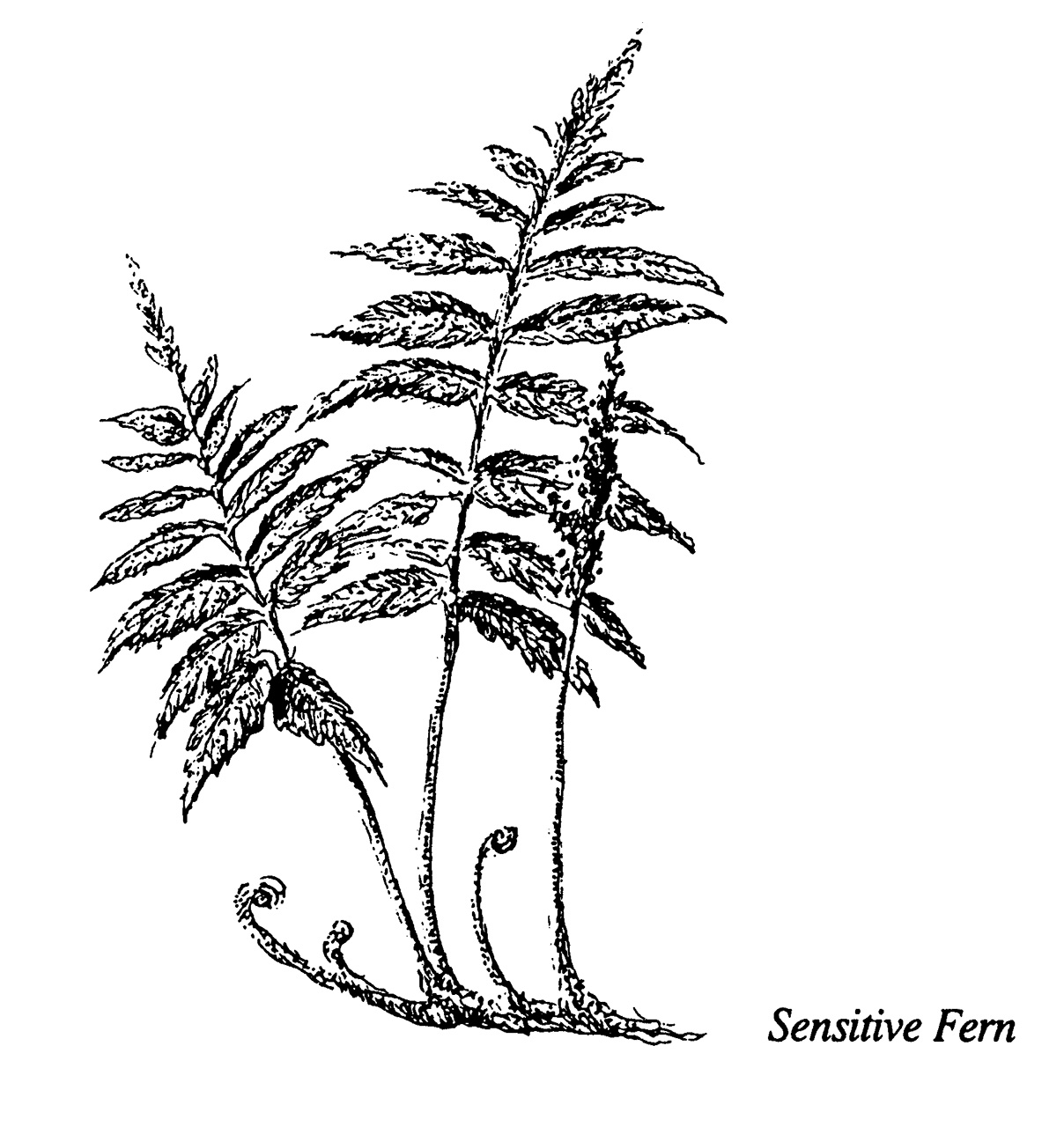
American elder, groundsel, and highbush blueberry grow close to the water’s edge and help stabilize the banks, along with moisture-loving sensitive fern, marsh fern, and cinnamon fern. Marsh fern can be distinguished from the similar Massachusetts fern by the forked veins of its sterile leaflets.
Cinnamon fern is so named because of the brownish coloration of its spore-bearing fruiting spikes and the fuzzy hair covering its fiddleheads and stems. The wooly fuzz is used in the nests of Ruby-throated Hummingbirds, Eastern Wood-Pewees, and other birds to help insulate eggs and young.
Groundsel bush is a native shrub in the aster family that typically grows at the upper edge of tidal marshes. Its small inconspicuous flowers form fluffy white seed heads in autumn.