STATION II
Betty Matthiessen Wildlife Sanctuary
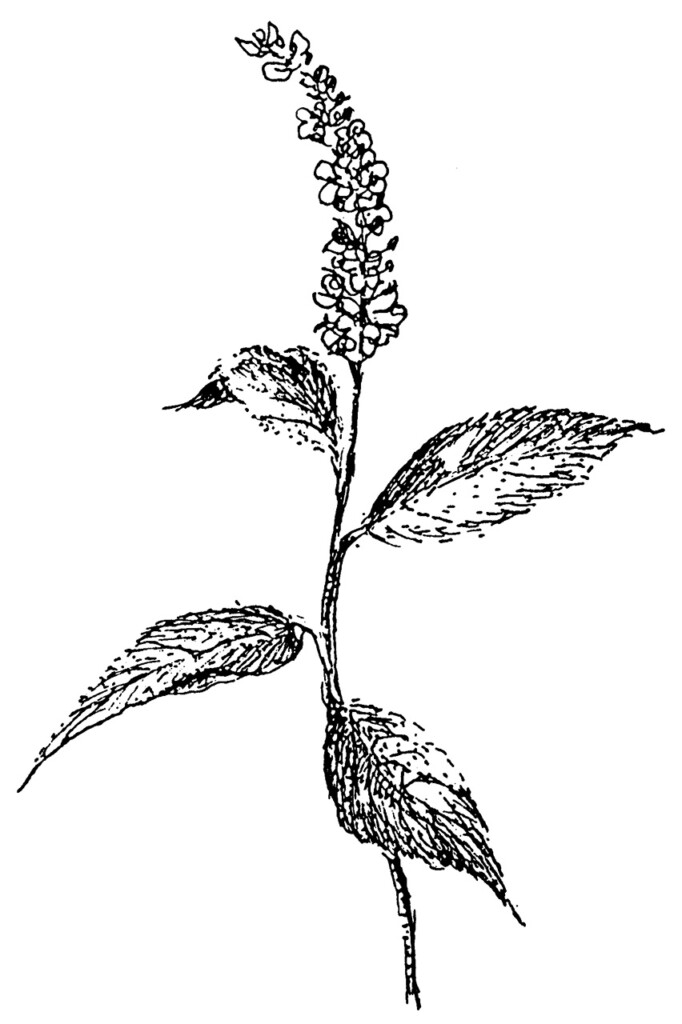
Away from the pond edge, dense shrubby thickets border the trail. The shrubs include an interesting mix of species, with those more tolerant of wet conditions occurring at lower elevations. Here, we find sweet pepperbush, a deciduous shrub recognized throughout the year by persistent seed clusters (resembling peppercorns) that remain at the tips of the branches for two years or more. Spikes of fragrant white flowers fill the air with a gardenia-like scent in late July and August.
Pinxterbloom azalea, also known as pink azalea or pinxter flower, has subtly fragrant tubular pink flowers in early May, often blooming before its leaves have fully expanded. It is another favorite of returning hummingbirds that nest nearby. Large flower buds on the whorled branch tips make it easy to identify in the winter woods.
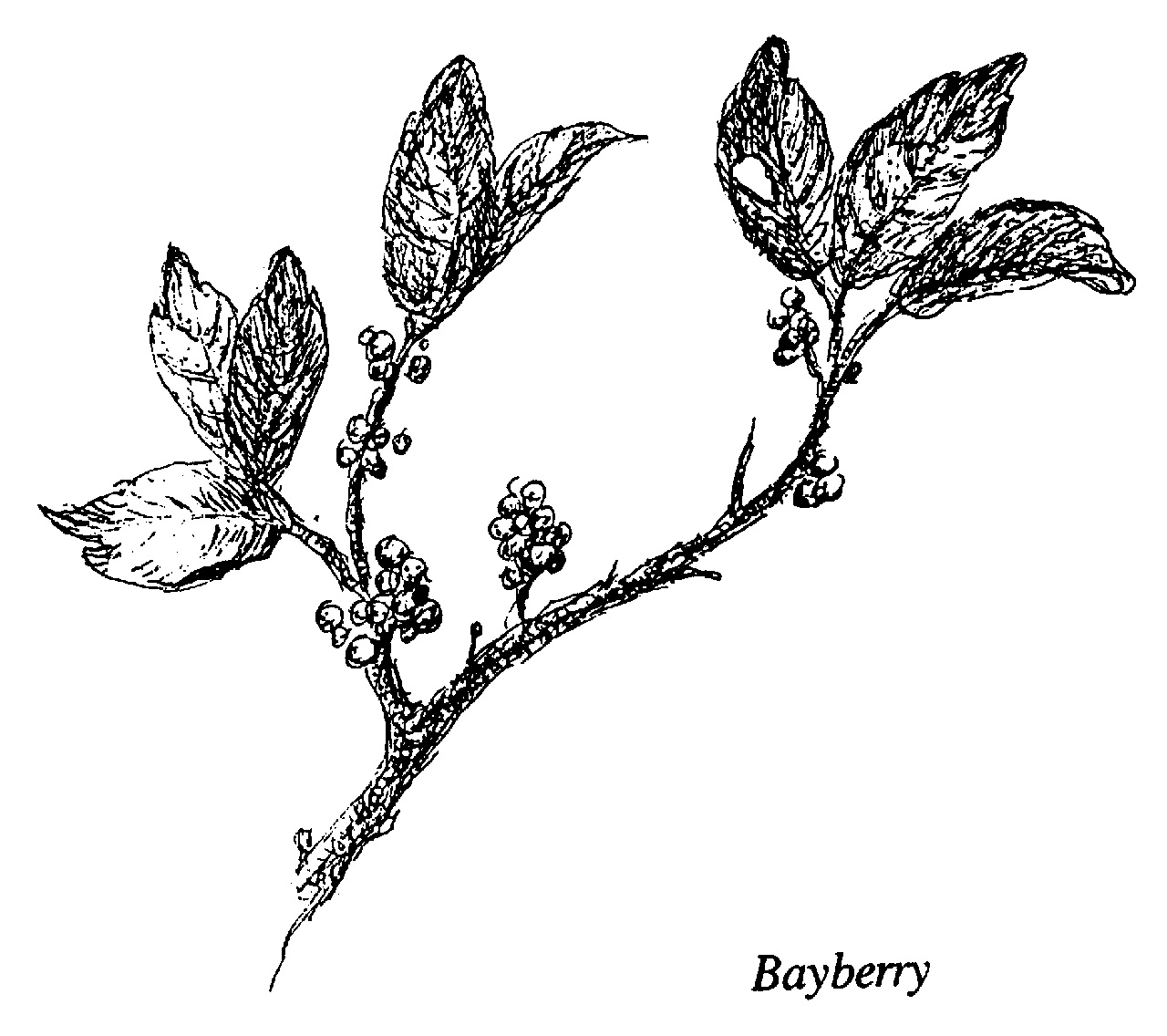
In sunny spots at slightly higher elevations along the trail, one encounters bayberry, a common coastal plant tolerant of salt spray. Bayberry has shiny, oblong-shaped leaves that are aromatic when crushed. Female plants produce distinctive pale blue waxy fruits covered with a whitish bloom. The berries are high in fat (about 50%) and a favorite of the Yellow-rumped Warbler, one of the only wood warblers to overwinter here. Tree Swallows and other insectivorous songbirds supplement their diets with bayberries to help fuel their long-distance flight to South America.
Virginia creeper drapes over shrubs and trees in the coastal thicket and, along with wild grape, is a host plant for the grapevine sphinx moth. Its sapphire-blue berries, striking against shiny scarlet leaves in autumn, are another favorite of fall migrant birds.