The Once and Future Osprey
July 12 @ 4:00 pm - 5:00 pm
Join us at the Museum for an illustrated talk by Dr. Paul Spitzer on the rise of osprey populations over the past 70 years and their potential fall due to menhaden shortage.
This talk is presented by the ornithologist who led the campaign to restore ospreys in the northeast in the 1960s and 1970s. Due to a health issue, Dr. Spitzer will be presenting virtually from Maryland. You can watch on the 2nd floor of the Museum or remotely on your own computer via zoom.
When: Sunday, July 12, 2026
Time: 4 pm
Place: In person at the Museum, 2nd floor and virtual via zoom
Reception to follow.
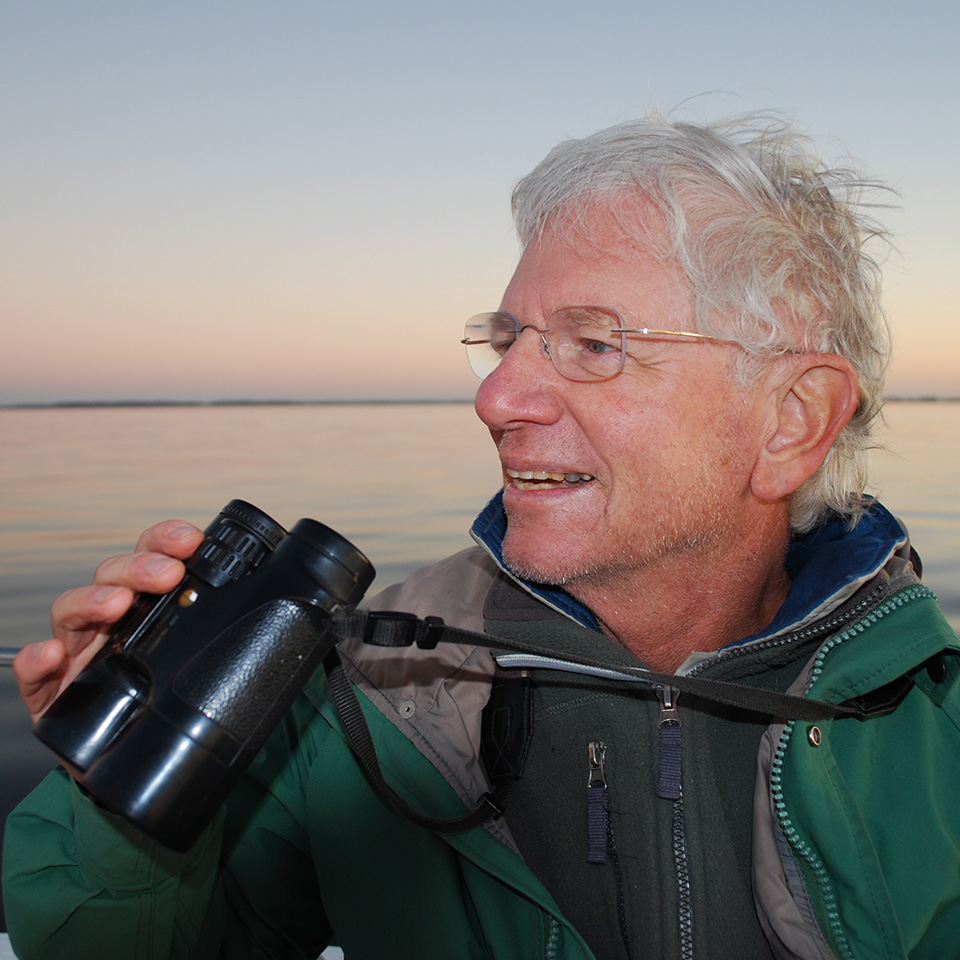 Ecologist Paul Randolph Spitzer has a lifelong love affair with the East Coast of North America. His scientific studies began with failing Ospreys in 1968, when they were severely impacted by DDT in some areas. He was then a protégé of bird-people Roger and Barbara Peterson, and a biology student at CT’s Wesleyan U. DDT’s destruction of bird life, reported by Rachel Carson in “Silent Spring”, demanded more evidence and proofs. Thus Paul devoted his 1970’s decade to detailed Osprey biology studies, for his Cornell U. doctorate. He happily documented initial northeastern Osprey recovery, NJ to MA, as DDT passed out of ecosystems. His PhD thesis predicted Ospreys’ subsequent success in many parts of the world. Paul says: “That decade based at Cornell was the making of me as a scientist and a humanist”.
In the 1980’s, between international conservation projects in India, Central America, and New Zealand, Paul gradually made the Choptank River–on Maryland’s eastern shore of Chesapeake Bay–his home for life. Chesapeake Osprey population studies anchored him here, by our “Choptank Osprey Garden”. Currently, Chesapeake Ospreys are under detailed study as bioindicators of their Menhaden prey base depletion.
Paul is currently completing “Dark of the Loon”, his ecologist’s memoir about three decades of nonbreeding Common Loon study, 1988-2020, along the Atlantic and Gulf Coasts. He seeks a friendly editor and strong publisher for his book. He can tell you about his long and happy boater’s life of Osprey and Loon study cruises.
Join from PC, Mac, iPad, or Android:
https://us02web.zoom.us/j/87462483509
Phone one-tap:
+16469313860,,87462483509# US
+16465588656,,87462483509# US (New York)
Join via audio:
+1 646 931 3860 US
+1 646 558 8656 US (New York)
+1 312 626 6799 US (Chicago)
+1 301 715 8592 US (Washington DC)
+1 305 224 1968 US
+1 309 205 3325 US
+1 564 217 2000 US
+1 669 444 9171 US
+1 669 900 9128 US (San Jose)
+1 689 278 1000 US
+1 719 359 4580 US
+1 253 205 0468 US
+1 253 215 8782 US (Tacoma)
+1 346 248 7799 US (Houston)
+1 360 209 5623 US
+1 386 347 5053 US
+1 507 473 4847 US
Webinar ID: 874 6248 3509
International numbers available: https://us02web.zoom.us/u/kvSzjNn1u