Evolving Landscapes:
Olmsted, Design, and the Arnold Arboretum
Illustrated talk by William (Ned) Friedman, Director of the Arnold Arboretum of Harvard University, who takes us on an exploration of Frederick Law Olmsted’s design legacy embodied at one of his most renowned and best-preserved landscapes: the Arnold Arboretum.
Presented at the Museum Sunday, August 23, 2026.
Hosted by HLFM director Pierce Rafferty.
Ned shares the design history of the Arboretum, from its origins under Frederick Law Olmsted to decades of evolution that involved contributions by the Olmsted Brothers, including lessons learned in modern times about how to manifest their visions in our contemporary world.
He also reveals how the groundbreaking, 19th-century collaboration between the City of Boston and Harvard University gave birth to the Arnold Arboretum, which is today a world-leading scientific research enterprise dedicated to the study of woody plants, and a crown jewel in Boston’s Emerald Necklace – a public park that is free and open 365 days a year, fulfilling Olmsted’s vision of making the natural world accessible to every person, no matter their background. This talk will connect past to present, culminating in a reminder that we can learn from legendary designs and also make them relevant for our times.
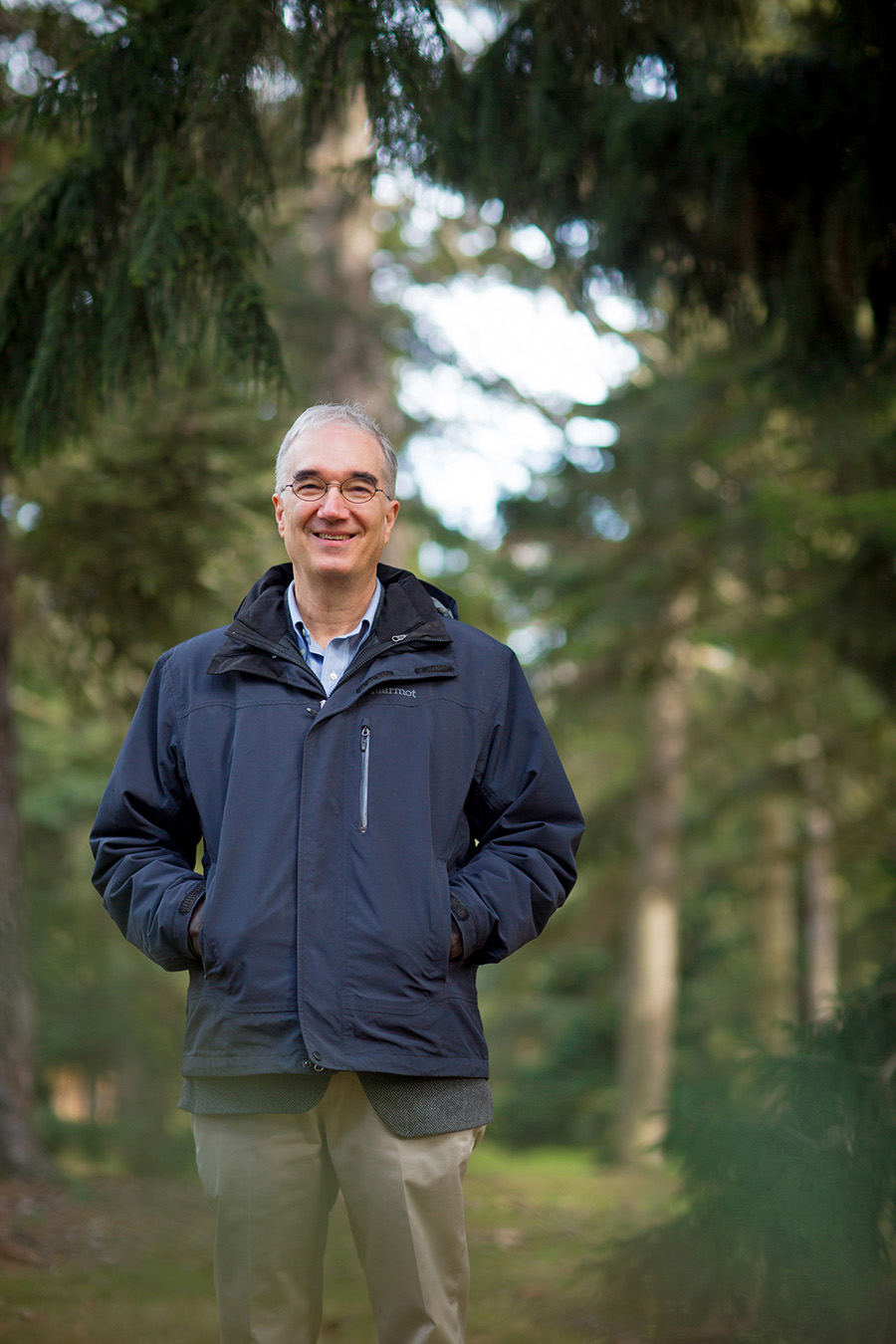 William (Ned) Friedman, an evolutionary biologist who has done extensive research on the origin and early evolution of flowering plants, has served since 2011 as the eighth director of the Arnold Arboretum. He is also a tenured professor of Organismic and Evolutionary Biology in the Faculty of Arts and Sciences at Harvard University.
As leader of the nation’s first public arboretum, Ned has positioned the Arnold Arboretum to confront current world challenges by redoubling the institution’s commitments to public health, free access to programming and the beauty of the landscape for all citizens, and global change mitigation projects. His vision for what a twenty-first century arboretum can and should be is fueling the largest redesign of horticultural and visitor infrastructure in the landscape since the Arboretum’s founding, as well as forging a significant commitment to advancing environmental equity and climate change scholarship.
Friedman’s academic research has focused on patterns of plant morphology, anatomy, and cell biology. He has been acclaimed for his discovery of a new type of reproductive structure in an ancient flowering plant that may represent a critical link between flowering plants and their ancestors. Friedman also has a keen interest in the history of science, particularly the intellectual history of evolutionism. He has designed and taught courses on the life and work of Charles Darwin and other historical figures and lectured on the subject at natural history museums and other venues.
As a botanist who has devoted his entire career to studying the evolutionary diversification of plants, he feels privileged to have the opportunity to steward, promote, and share the extraordinary botanical and horticultural resources of the Arnold Arboretum with students, scholars, and millions of annual visitors.
He is a graduate of Oberlin College and the University of California, Berkeley, and taught at the University of Georgia and the University of Colorado before joining Harvard University and the Arnold Arboretum.
-
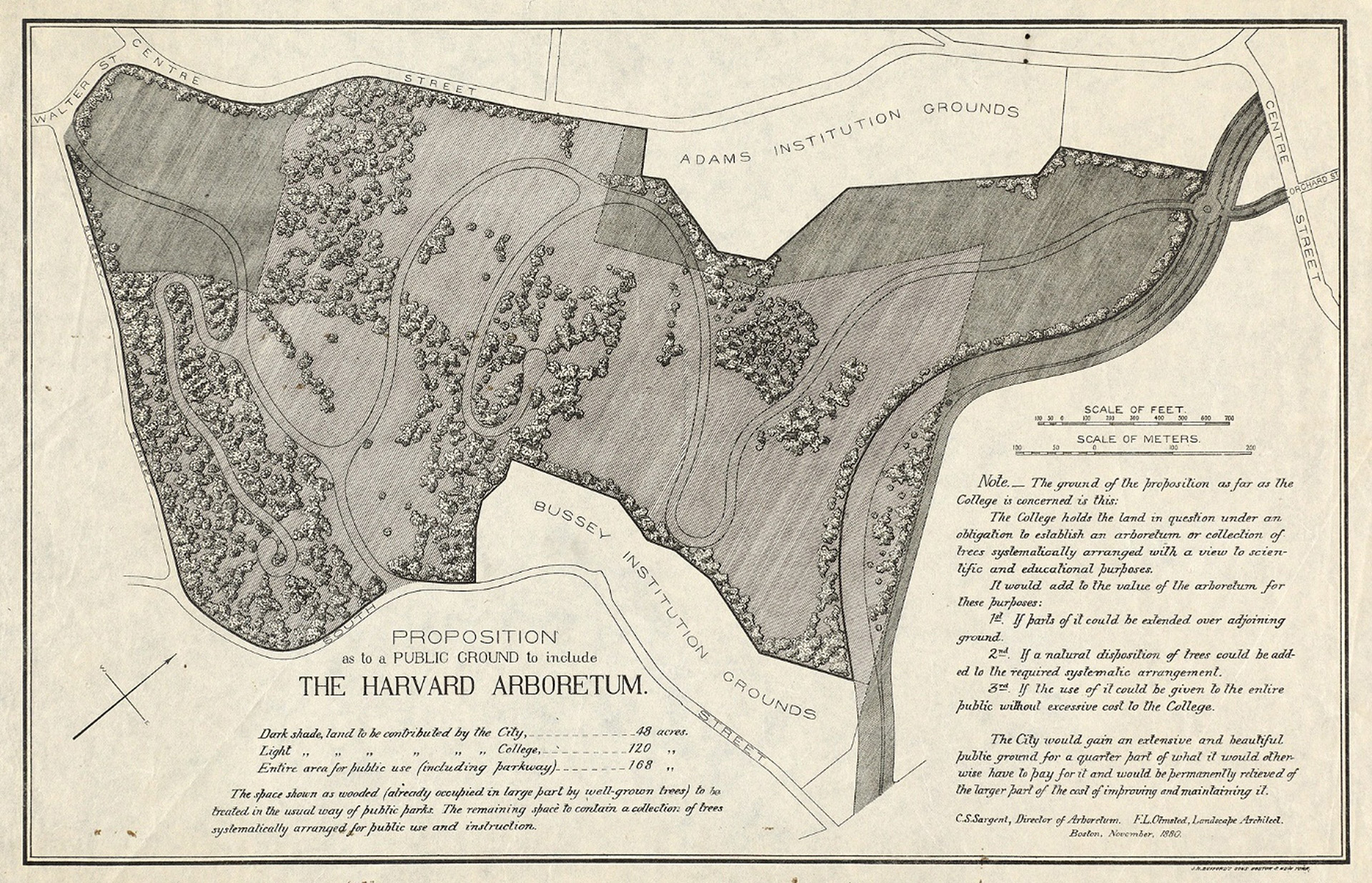
- Olmsted Arboretum Design
-
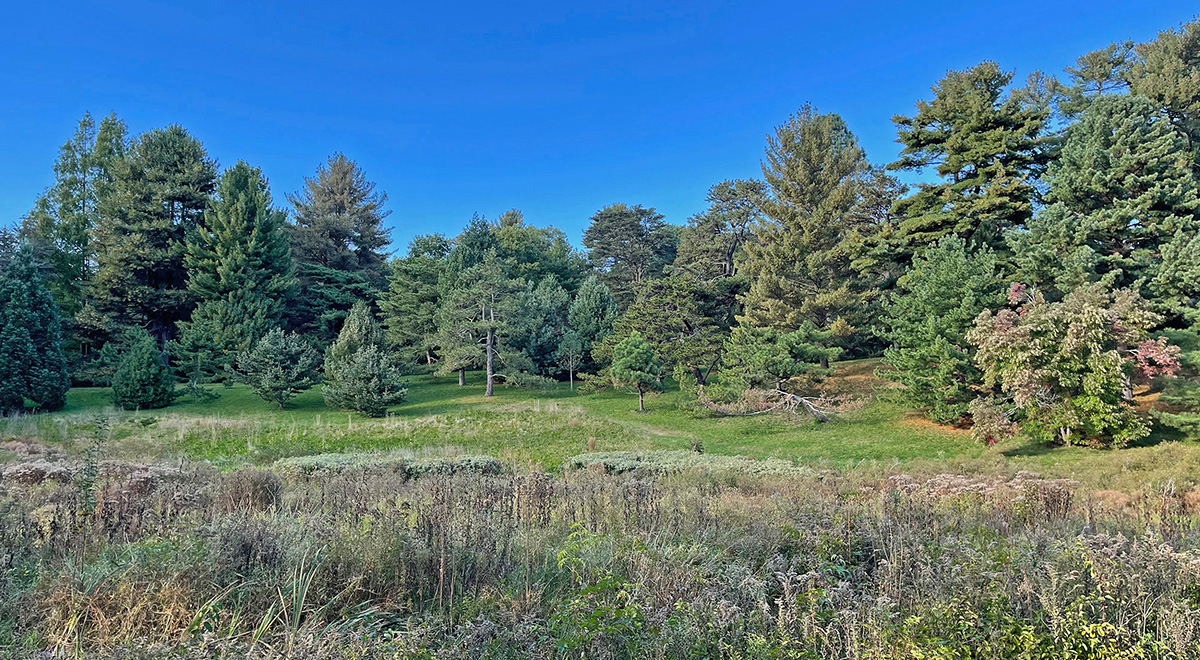
- Arboretum Kent Field, Conifer Collection, Autumn photo by Ned Friedman
-
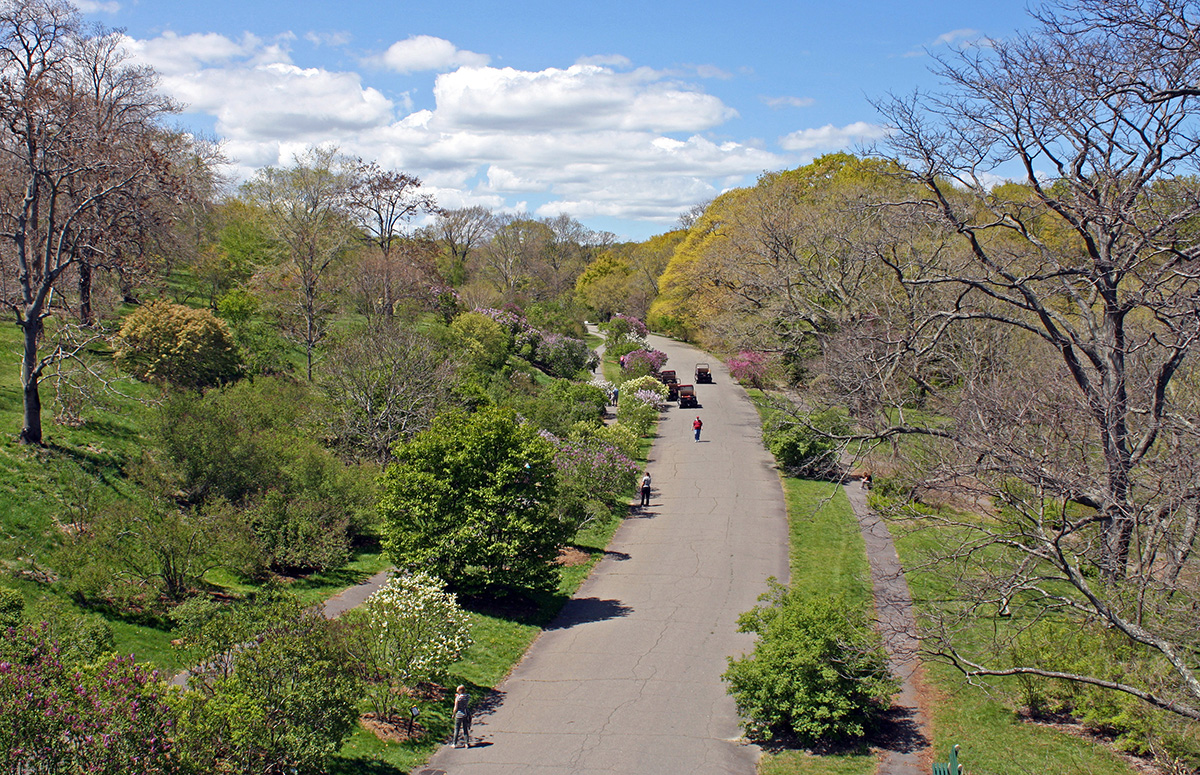
- Arboretum Bussey Hill, Lilac Collection photo by Jon Hetman